
Skip to content
Yale Architecture YSoA
Search

Student Work

Student Work

All images
Filter by
All Programs
P.h.D.M.E.D.M.Arch. IIM.Arch I
Fair Haven YMCA and Library
01
01
Final drawing
01
model 1
Section
Final document’s front cover
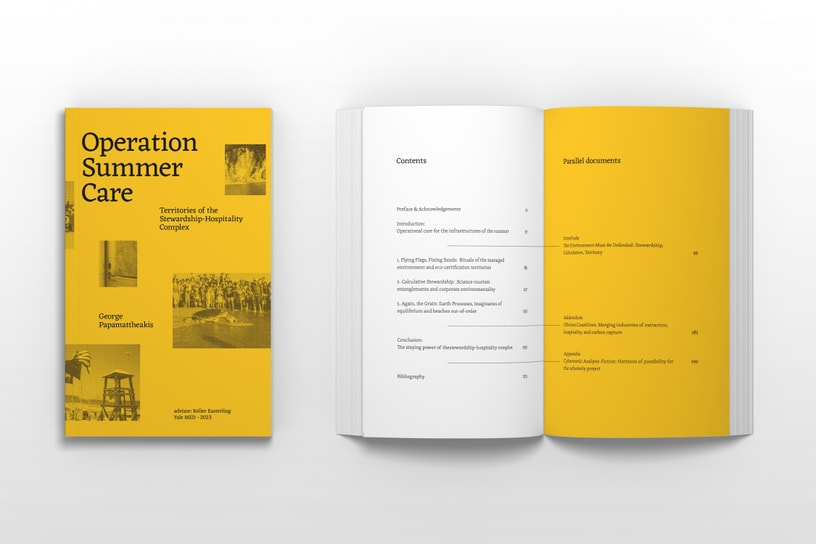
Operation Summer Care: the final document, Front Cover and Interior
Fig_01_BrunnoDouat_Diagram_degree_of_becoming_supaychacra_clearing
"My house goes on forever"
F21 1101 ghshhe kimj render3 kitchen
Maximum Governance: Managerial Populism and Violent Infrastructures in the New India Cover Image 2022 - Graphic by Charis Armstrong
Aerial view of Madapullikalam tarawad property, 2021 (Photo credit: Prashant MS)
COASTAL ASSEMBLAGE: TOWARDS A PRACTICE OF ADAPTATION
Tianyi Hang Beside Yingzao Cover Image 2022 - Graphic by Charis Armstrong
The Path
Akim filler image
Img 7388
The construction of Bandeirantes road.
Continuous Extremes: Architecture of Uncertainty in Poland, Front Cover
Rendering of Bulding Project proposal
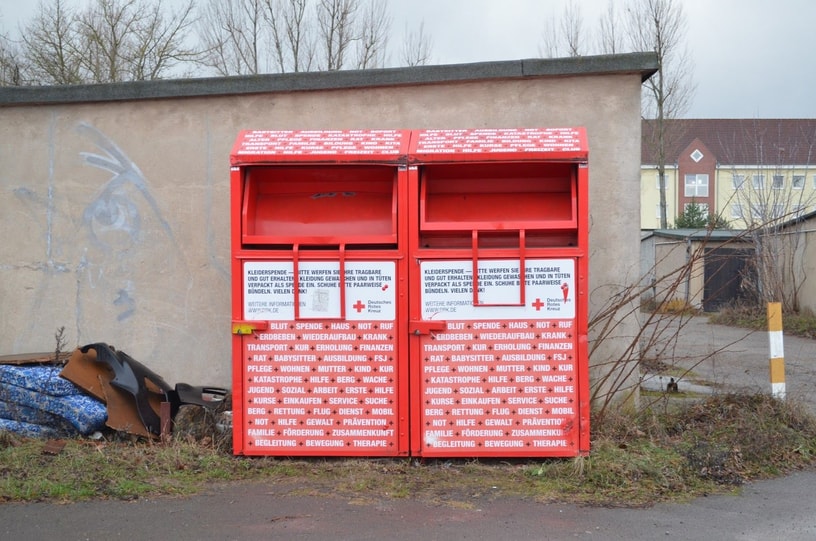
Deutsches Rotes Kreuz donation bin near the Aufnahmeeinrichtung, Eisenhüttenstadt. The facility is visible in the background. Image taken January 2019 by the author.
facade
Next Page
Loading in progress
Yale Architecture
Search
Yale Architecture
Search
  • Academics
    • Overview
    • M.Arch I
    • M.Arch II
    • M.E.D.
    • Ph.D.
    • Joint-degree Programs
    • Undergraduate Studies
    • The Jim Vlock First Year Building Project
    • Student Travel
    • Awards and Fellowships
    • Explore all Courses
  • Admissions
    • Overview
    • Requirements
    • Tuition and Fees
    • Financial Aid
    • International Students
  • Calendar
    • Events
    • Academic Calendar
    • Exhibitions
  • Publications
    • Overview
    • Perspecta
    • Retrospecta
    • Constructs
    • Books
  • About the School
    • Overview
    • History and Objectives
    • News
    • Tribal Lands Acknowledgement
    • Yale Urban Design Workshop
    • Yale Center for Ecosystems in Architecture
    • Fabrication Labs
    • Advanced Technology
    • Staff
    • Visiting
    • Contact
  • Faculty
    • Endowed Visiting Professorships
    • Endowed Professorships
    • All Faculty
  • Students
    • Student Affairs
    • Recent Graduates
    • Student Work
    • Student Groups
    • Career Development
  • Alumni
    • Overview
  • All Images
  • Forms and Resources
  • Make a Gift
  • School Policies and Bulletin
  • Jobs at YSoA
  • Accreditation Information
Yale logo
  • Facebook
  • Instagram
  • Accessibility
  • Land Acknowledgement
  • Public Safety
  • Colophon
  • Yale University
Loading in progress

Student Work

1
2
3
5.JPG
1∕4

Title

Watershed: Undamming the Klamath River Basin

Authors
Estella Dieci

Course
Independent M.E.D. Research

Project Description

Estella Dieci | Master of Environmental Design (M.E.D.) 2026

Primary Advisor: Keller Easterling & Stephen Most

Reader: Anthony Acciavatti

The Klamath River Basin has been one of the most contested water basins in the United States for decades. The Klamath is one of the largest rivers in the Western U.S., spanning over 260 miles between Southern Oregon and Northern California, and was once the third-largest salmon run on the West Coast. Historically, it is also one of the most biodiverse regions in the country. This began to change in the mid-eighteenth century, when the Basin was devastated by ongoing genocide, gold mining, speculation, extraction, and terraformation. Though lesser-studied than the Colorado and Columbia, the Klamath was one of the earliest sites transformed by the Reclamation Act of 1902 to develop and manage large-scale irrigation projects in the Western U.S., leading to over a century of conflict between tribes, irrigators, and environmentalists. The Basin is known for its separatist movement for the State of Jefferson and conservative, tea party politics. However, despite all odds, the region made history when the largest dam removal project in the world was completed in October 2024, following decades of activism and negotiation between tribes, farmers, ranchers, attorneys, politicians, scientists, and corporations. But the work is not over. Combining environmental history, science and technology studies, on-site fieldwork and qualitative interviews, this research considers how landscape is constructed by shifting values and politics, conservation science, myth, and connections to place. This research considers lessons from the Klamath in a new era of infrastructure decommissioning and environmental collapse, and in redefining, reclaiming, and revitalizing the places we live and love. The research examines what restoration means in the Klamath and situates itself in a broader context of dam construction and removals, agricultural development in the West, environmental movements, and tribal sovereignty


Related items

Courses

Independent M.E.D. Research

Students

Estella Dieci

Estella